Symmetric Cryptography
Symmetric key algorithm. These types of encryption algorithms are called symmetric because they use the same key to encrypt and decrypt messages.
Substitution cipher: An encryption mechanism that replaces parts of your plaintext with ciphertext
Block ciphers: The cipher takes data in, places that into a bucket or block of data that’s a fixed size, then encodes that entire block as one unit
- If the data to be encrypted isn’t big enough to fill the block, the extra space will be padded to ensure the plain text fits into the blocks evenly
Stream ciphers: It takes a stream of input and encrypts the stream one character or one digit at a time, outputting one encrypted character or digit at a time
- There’s a one-to-one relationship between data in an encrypted data out
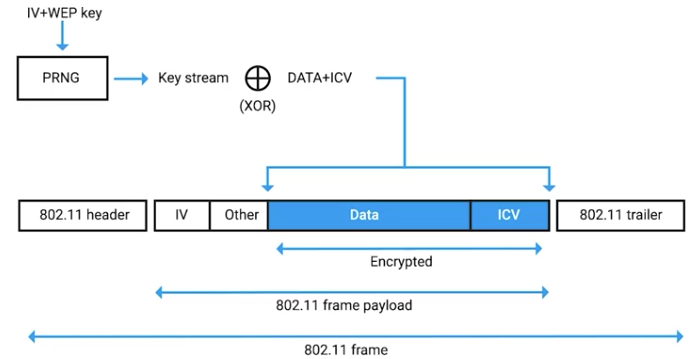
To avoid key reuse, initialization vector or IV is used. That’s a bit of random data that’s integrated into the encryption key, and the resulting combined key is then used to encrypt the data.
- The idea behind this is, if you have one shared master key, then generate a onetime encryption key. That encryption key is used only once by generating a new key using the master one and the IV.
- In order for the encrypted message to be decoded, the IV must be sent in plain text along with the encrypted message.